Tummy Tuck Follow-Up Care: What You Need to Know
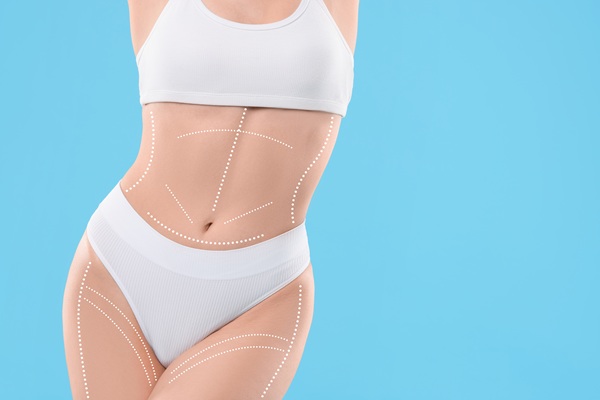
A tummy tuck is an exciting step toward a smoother, firmer, and more contoured stomach. While the surgery itself creates the foundation for change, the follow-up care helps protect that transformation as the body heals. With the right care from a plastic surgeon, patients can feel more confident as they approach their final results.
The importance of follow-up care after a tummy tuck
Tummy tuck recovery happens in stages, and each stage brings patients closer to seeing the final contour take shape. The first few days often focus on rest and protecting the surgical site. Then, patients should see gradual improvements in movement, comfort, and swelling over the next few weeks. The point of follow-up care is to ensure that healing is going as expected.
Here is what every patient should know about tummy tuck follow-up care:
Managing swelling, bruising, and tightness
While swelling, bruising, and tightness are expected after a tummy tuck, they are also signs that the body is working through the healing process. The abdomen may feel firm or tender at first, particularly when standing upright or changing positions. These sensations usually improve gradually as the tissues settle and inflammation decreases. Many patients begin to feel encouraged as they notice small improvements week by week.
Typically, a plastic surgeon recommends using compression garments at this stage. These garments help support the treated area, reduce swelling, and make movement feel more comfortable. Light walking, once approved by the surgeon, can also support circulation and help the body recover.
Incision care and scar healing
Incision care helps protect the results of a tummy tuck and supports a smoother recovery. During follow-up visits, the plastic surgeon checks the incision to ensure it is healing properly. The surgeon will provide personalized instructions for cleansing, dressing changes, and when to begin scar care. Following these directions carefully can help patients feel more confident about the incision's healing progress.
Keep in mind that it takes time for a surgical scar to heal. At first, the scar may look pink, raised, or darker than the surrounding skin. It should soften and fade over time. If needed, a plastic surgeon can recommend scar products or treatments.
Symptoms to watch out for after a tummy tuck
Most tummy tuck recovery symptoms improve gradually, but patients should know which changes require a call to the surgical team. Contact the plastic surgeon promptly about:
- Increasing redness, warmth, or swelling around the incision
- Drainage from the incision with a strong odor or unusual color
- Worsening swelling, firmness, or fluid buildup around the abdomen
- An incision that opens or starts bleeding more than expected
- Fever, chills, or worsening pain
Patients should call 911 or go to a hospital emergency room right away for chest pain, shortness of breath, coughing up blood, fainting, or sudden severe weakness or numbness. These symptoms may indicate a serious complication (such as a severe infection) and should not be ignored until a routine office visit.
Learn more during an appointment
Tummy tuck follow-up care helps patients protect themselves while healing, track their progress, and feel supported from the first recovery visit through to final results. A plastic surgeon can also address any concerns or questions that may come up as you heal. Call Paul C. Dillon, MD Inc today for more information.
Request an appointment here: https://miami.paulcdillonmd.com or call Paul C. Dillon, MD Inc at (305) 307-5909 for an appointment in our South Miami office.
Check out what others are saying about our services on Yelp: Tummy Tuck in South Miami, FL.
Related Posts
Dermal fillers can quickly and easily soften smile lines and forehead wrinkles, giving patients a smoother, more rested appearance. A trained provider strives to improve features rather than completely change them. By focusing on subtle improvements that fit a patient's natural anatomy, they can expect results that look and feel more natural.Dermal fillers add structure…
Weight loss can be a major personal achievement, but it does not always leave the body looking as firm or contoured as a person hoped. Many people still notice loose skin, stretched tissue, or stubborn fat in areas like the waist after reaching their goal weight. This can make the final stage of their weight…
A breast lift reshapes and raises the bust, while breast augmentation increases volume and enhances contours. While both procedures improve the breasts ' appearance, they serve different purposes. When exploring these options, it helps to understand how each one works, when one may be more beneficial over the other, and when the plastic surgeon may…
Hair restoration is a growing solution for women experiencing hair loss and thinning, offering a range of treatments designed to restore natural hair growth and enhance confidence. Whether due to genetics, hormonal changes, stress, or other factors, hair thinning can be a source of distress. Women looking for a reliable and effective solution to their…